
There’s something profoundly grounding about looking up at the night sky and knowing that the same moon our ancestors watched is still guiding us today.
Feng Shui philosophy recognizes that day, lunar and seasonal cycles share similar properties, where the full moon and summer encourage greater activity, while the new moon and winter invite rest. It’s a practice that has always understood what many of us are only now remembering – that we’re not separate from the natural world. We’re part of it.
And here in Aotearoa, we have our own ancient system for understanding these rhythms: the Maramataka.
What is the Maramataka?
The Māori translation of Maramataka means ‘everything under the influence of the moon’ – and isn’t that beautiful? It’s a calendar and almanac based on the movements of the moon and stars, developed and adapted over centuries of observation, recording and passing on knowledge of changes in te taiao (the natural environment) with each lunar phase.
Unlike the Gregorian calendar that dominates our modern lives, the maramataka is ordered by te taiao, putting human life into rhythms of activity and rest, taking and giving back, moving from field to forest to sea depending on moon phases and seasonal cues.
This isn’t just about knowing when to plant kumara or catch eels – though that knowledge is gold. It’s about understanding energy itself.
The Connection to Feng Shui
Traditional Feng Shui has always looked to planetary cycles and cosmic energies. Ancient Chinese sages dedicated extensive time to observing celestial movements of planetary stars, resulting in the development of calendar systems designed to analyse how these celestial motions impact energies within our homes, offices, and factories.
But here’s the thing – Feng Shui ideology isn’t meant to be imported wholesale from another place. It’s about listening and responding with respect to your immediate environment. The Land, the Sea, the Sky and the Cosmos provide a localized perspective and become your strongest touchstone.
That’s why the Maramataka matters so much for those of us practicing Feng Shui in New Zealand. It’s our indigenous wisdom, perfectly attuned to this place.
Understanding Energy Cycles
The maramataka assumes that we need periods of rest, and will have periods of uncertainty, and periods of high energy and productivity, over a monthly cycle. Sound familiar? It should. Because this is exactly how life actually works – not the relentless, always-on grind that modern culture tries to sell us.
Awareness of the cycles of energy fluctuations within maramataka is key to working in harmony with them – it’s about going with the flow of the environment of energies and not trying to make every day exactly the same, because they’re not.
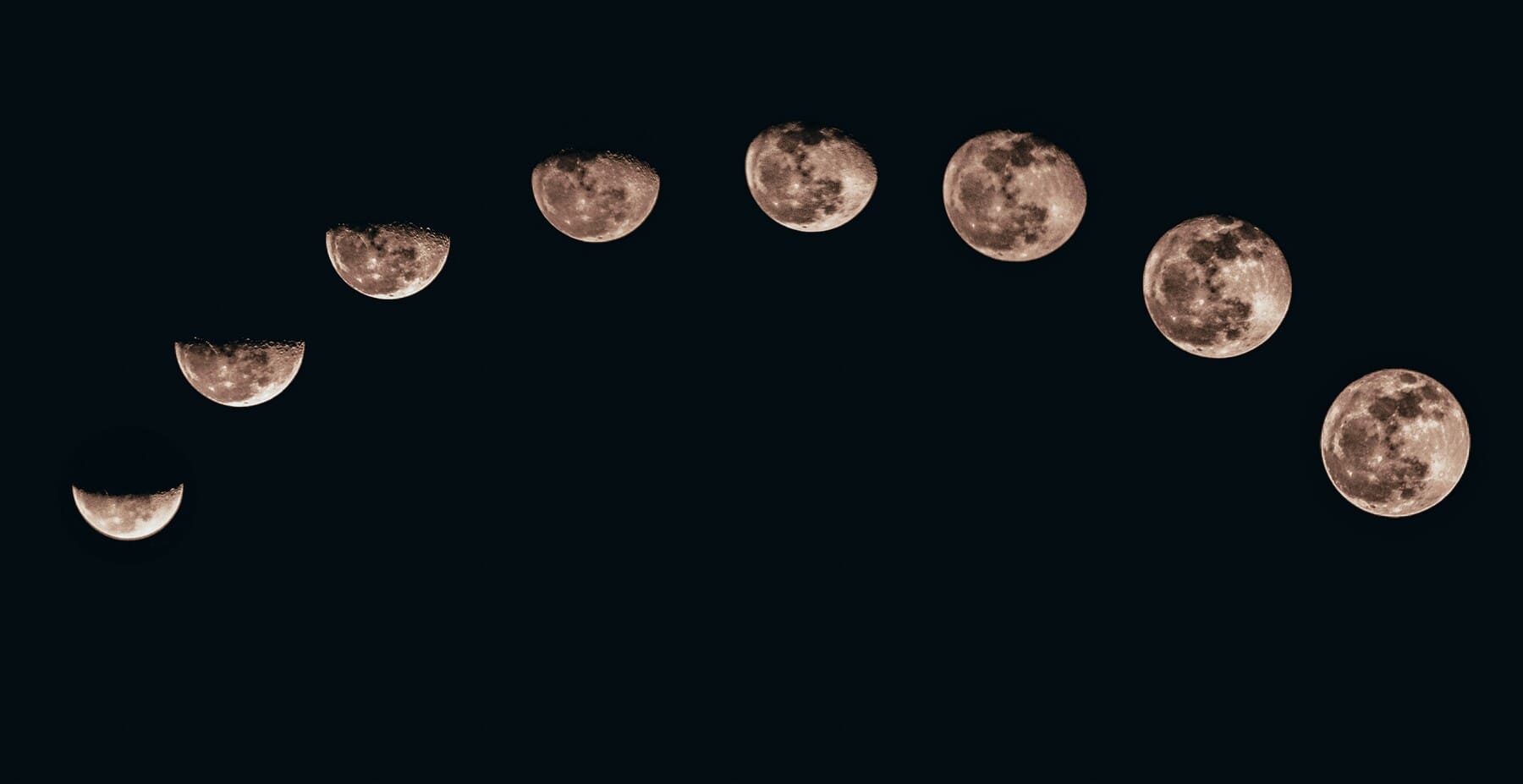
Think about it. The new moon (Whiro) is a time of low energy, perfect for reflection and planning. The Tangaroa phase, which occurs shortly before the new moon, has the most productive energy and is a good time to work in the garden planting and sowing. The full moon (Rākaunui) brings peak energy – ideal for bringing projects to completion.
A few client’s partners who may have been skeptical start to pick up on patterns here easily. Particular days of the Maramataka really stick with them. One husband really noticed the impact of Huna.
 Practical Application
 Practical Application
So how do we use this knowledge?
Start by simply observing. Record the Gregorian date and time at which you observe the lunar phase, and note your observations of te taiao or your own energy levels. Notice how you feel during different moon phases. Pay attention to what’s happening in your garden, in the weather, in your body.
Observing the environment’s response to the ever-changing lunar cycle, and fluctuations in energy levels gives insight into ways to best respond to ensure optimal results in gardening and healing practices.
When planning important activities – whether that’s a big work project, a house renovation, or even just when to have difficult conversations – consider the moon phase. The colours on the Maramataka dial show different energy levels caused by the gravitational forces of the Moon, Sun, and Earth, which set different times for things to grow, to be active, and to regenerate – and we humans are also pulled by these gravitational forces, which affect our biology and emotions.
Belonging to Place
What I love most about bringing the Maramataka into Feng Shui practice is that it roots us here. In this land. Under these skies. In the traditional Māori Maramataka, the new year begins with the first new moon following the appearance of Matariki (Pleiades) on the eastern horizon, usually in June-July – our winter, our time of rest and renewal.
This is about belonging. About recognizing that the same forces that move the tides and turn the seasons also move through us. We’re not machines meant to operate at the same capacity every single day. We’re natural beings, subject to natural rhythms.
The revival of the Maramataka – particularly since Matariki became a public holiday in 2022 – offers all of us, regardless of our whakapapa, an opportunity to attune ourselves more deeply to this place we call home.
So this month, look up. Notice the moon. Feel into your own energy. And remember – you’re not behind, you’re not failing. You’re simply moving through a cycle, as you always have been, as you always will be.
That’s not woo-woo. That’s just being human, on Earth, under the moon.
—
Want to learn more about applying these principles to your home and life?
Explore our Holistic Habitats course to discover how to create spaces that work with natural energy cycles, not against them.